Perimeter termite barriers installed to AS 3660.1 for new homes, stables and sheds on Londonderry's rural blocks, between the Hawkesbury river flats and the crown land bordering Agnes Banks Nature Reserve.
Yes, a new home or outbuilding on a Londonderry rural property needs a termite management system, since the suburb sits in a termite-prone part of the City of Penrith and the NCC covers stables and sheds as well as houses. The system is installed to AS 3660.1, with collars and under-slab work completed before the pour, and the durable notice plus installation certificate supplied to your certifier before.
Termite barriers in Londonderry
Why Londonderry builds need the barrier in before the pour
Londonderry is the northernmost suburb of the City of Penrith, postcode 2753, about 50 km north-west of the Sydney CBD, with The Driftway forming its boundary with the Hawkesbury and The Northern Road separating it from Berkshire Park. It remains predominantly rural, with a lot of undeveloped crown land, and a small village centre holding shops, a post office, a community hall and Londonderry Public School. Horses, ponies and greyhound racing are part of local life, with a pony club and the Richmond Race Club in the suburb, so new building work here often includes stables and floats alongside the house.
Crown land and bushland edges run close to several Londonderry properties, and that undeveloped ground can bring termites closer to a new slab than a fully built-out suburb would. Horse and animal properties store hay and feed that attract other pests, but they also mean sheds, stables and floats holding stacked timber, which gives termites a food source right next to the house if it is not managed. Being close to the Hawkesbury river flats keeps some parts of the suburb damper than higher ground further south, so we plan the barrier around the block's actual proximity to water and bush, not a blanket rule for the whole suburb.
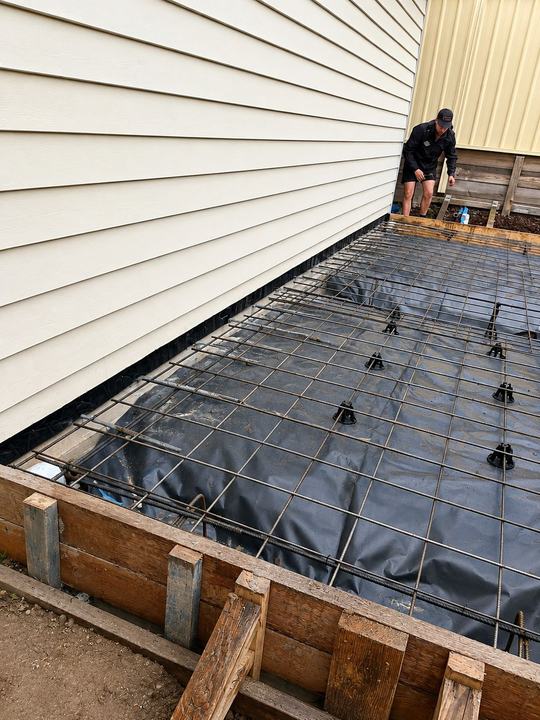
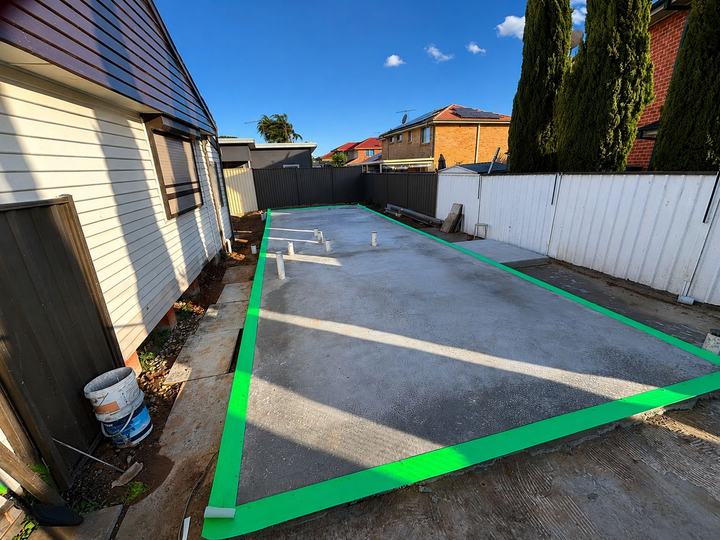
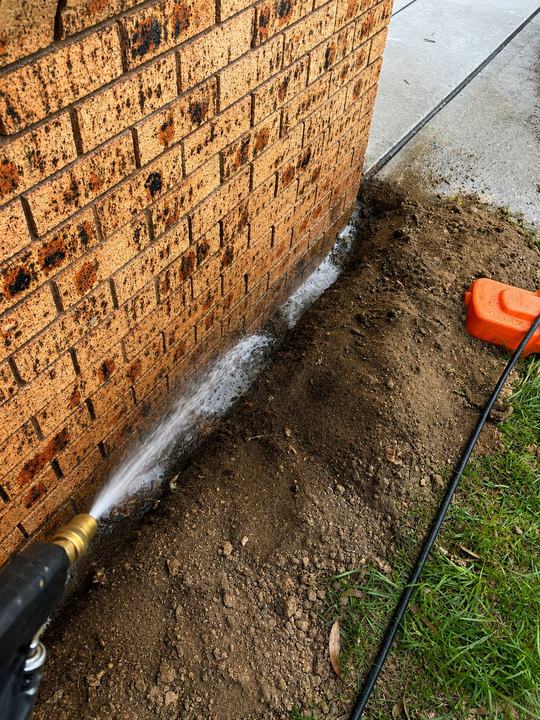
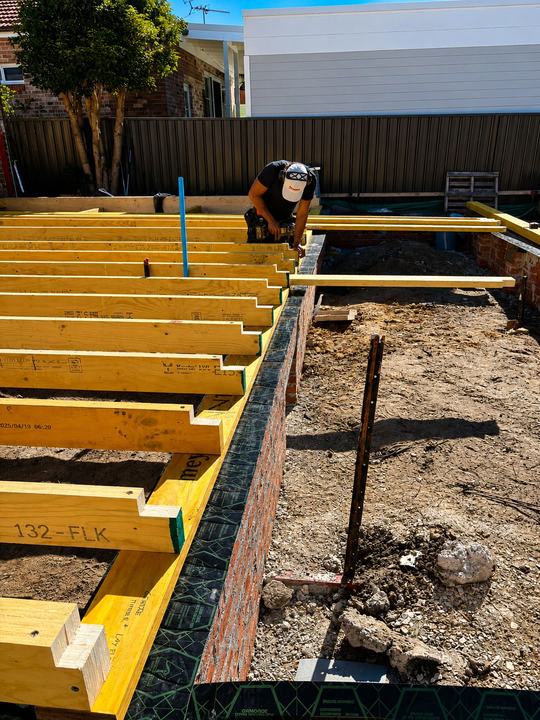
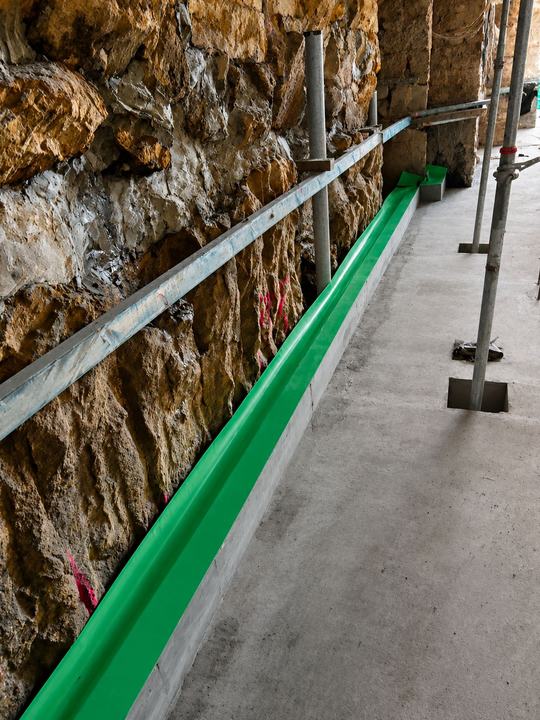
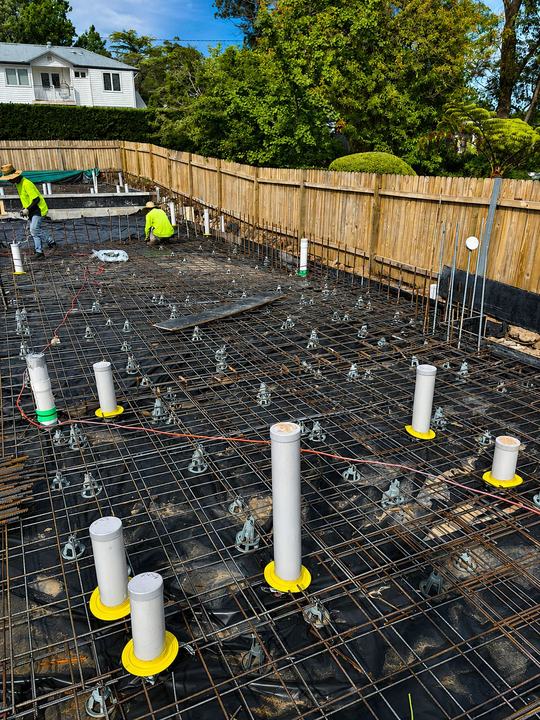
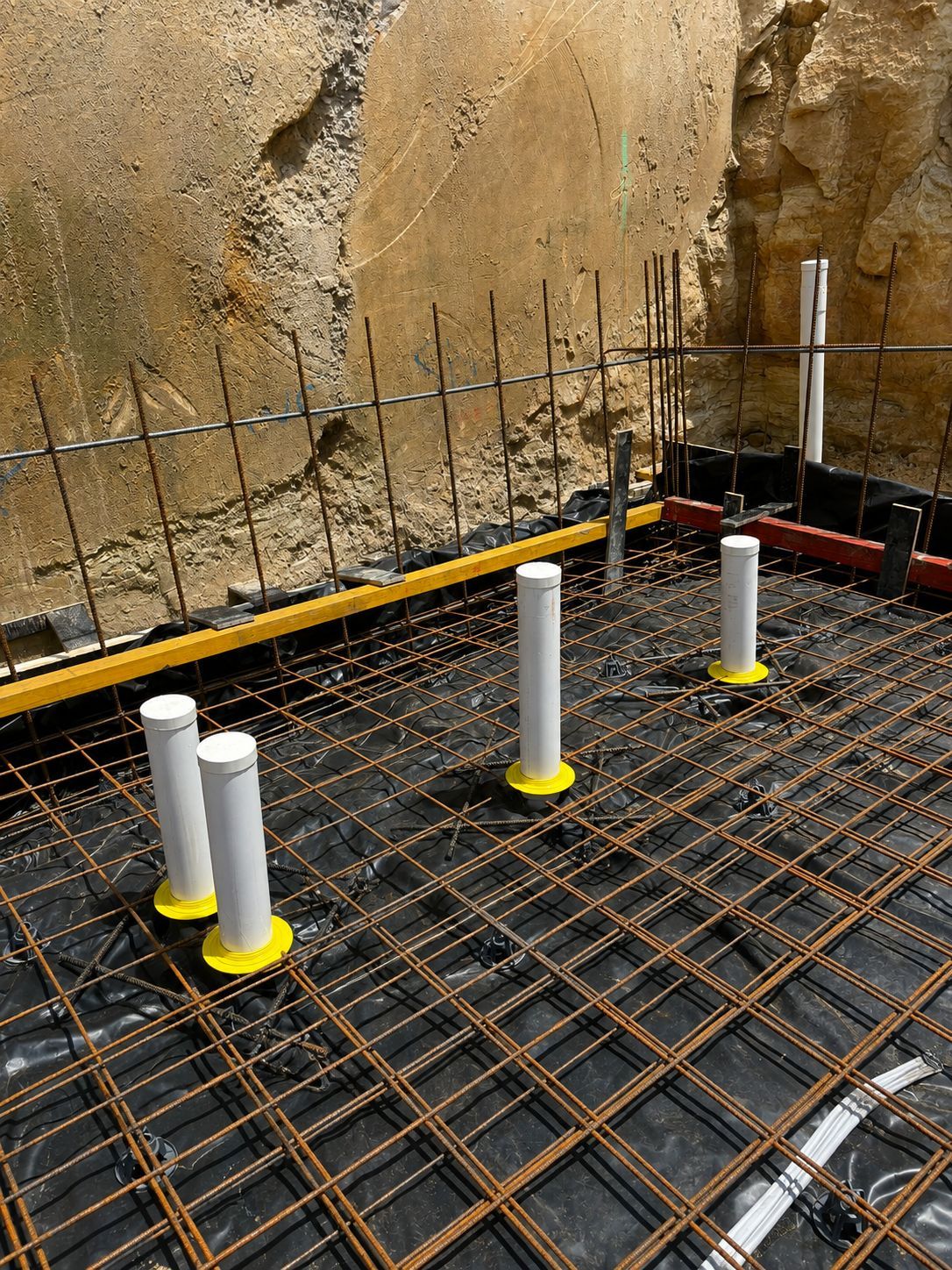
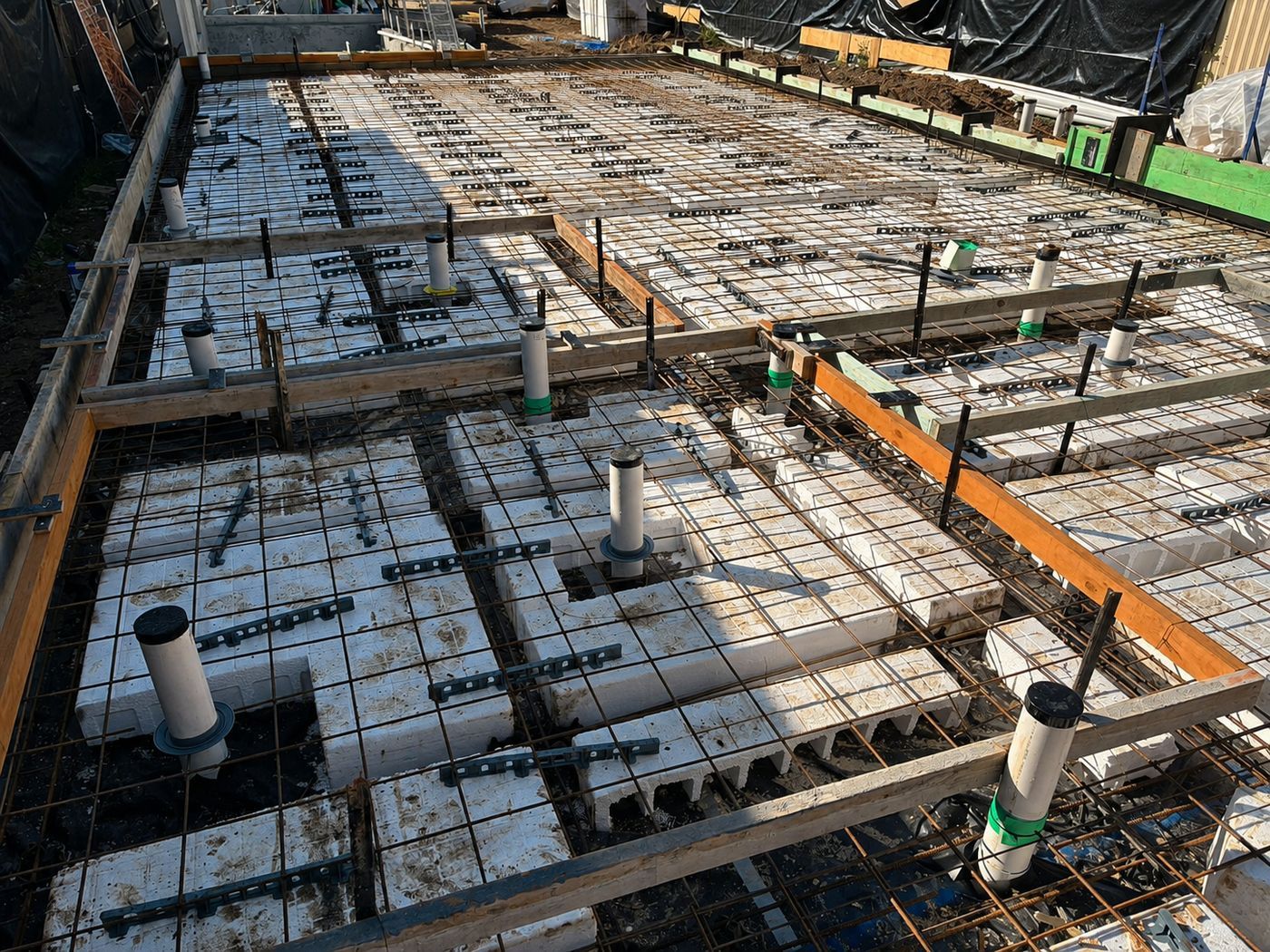
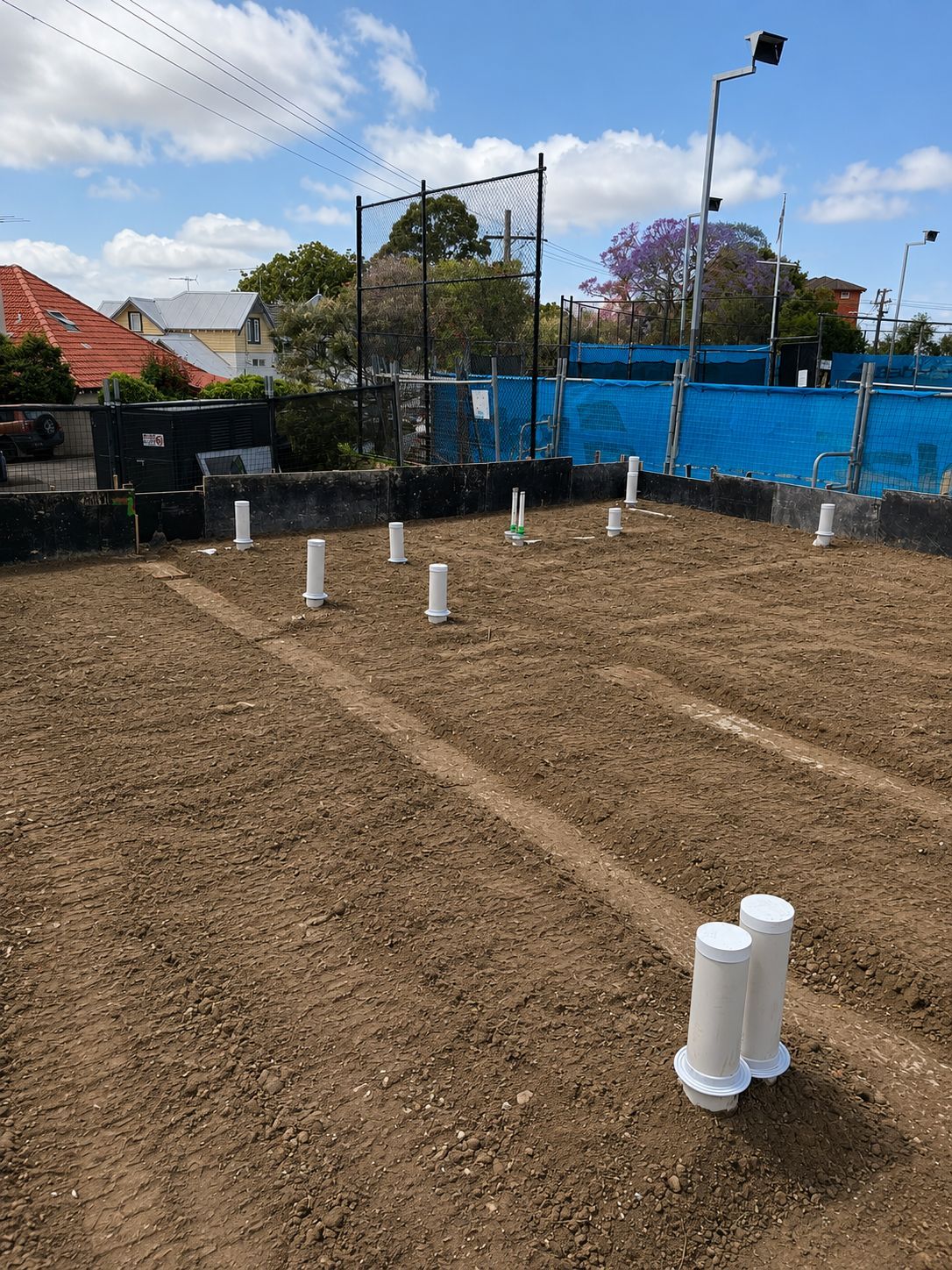
Barrier membrane and mesh installed before the pour — one of our own Penrith & the Outer West installations.
Local conditions
What makes Londonderry blocks a termite risk
Three conditions shape termite risk on a Londonderry property, more than the size of the house alone.
Crown land and bushland edges
Londonderry holds a lot of undeveloped crown land, and bushland edges like this near Agnes Banks Nature Reserve can supply termites to nearby properties. Blocks close to that undeveloped ground usually need a fuller perimeter than a suburb with no bush nearby.
Hawkesbury river flats and low ground
The Driftway marks Londonderry's boundary with the Hawkesbury, and low-lying flats near the river hold moisture longer than higher ground further south in the suburb. Subterranean termites favour that dampness when foraging toward a new house or stable slab.
Stables, floats and stacked timber
Horse and animal properties in Londonderry commonly store hay, feed and stacked timber in stables and sheds close to the house. That material can feed termite activity right at the boundary, so we treat outbuildings as part of the property, not an afterthought.
What we install here
Building in Londonderry
We install perimeter and under-slab termite systems for new homes, stables and sheds on Londonderry properties, sized to your builder's slab design and to the outbuildings that sit near the main house. Site access and layout vary widely on rural blocks, so we quote from your plans and a site visit, and schedule collars and under-slab work around your plumber's rough-in so the barrier does not hold up the pour.
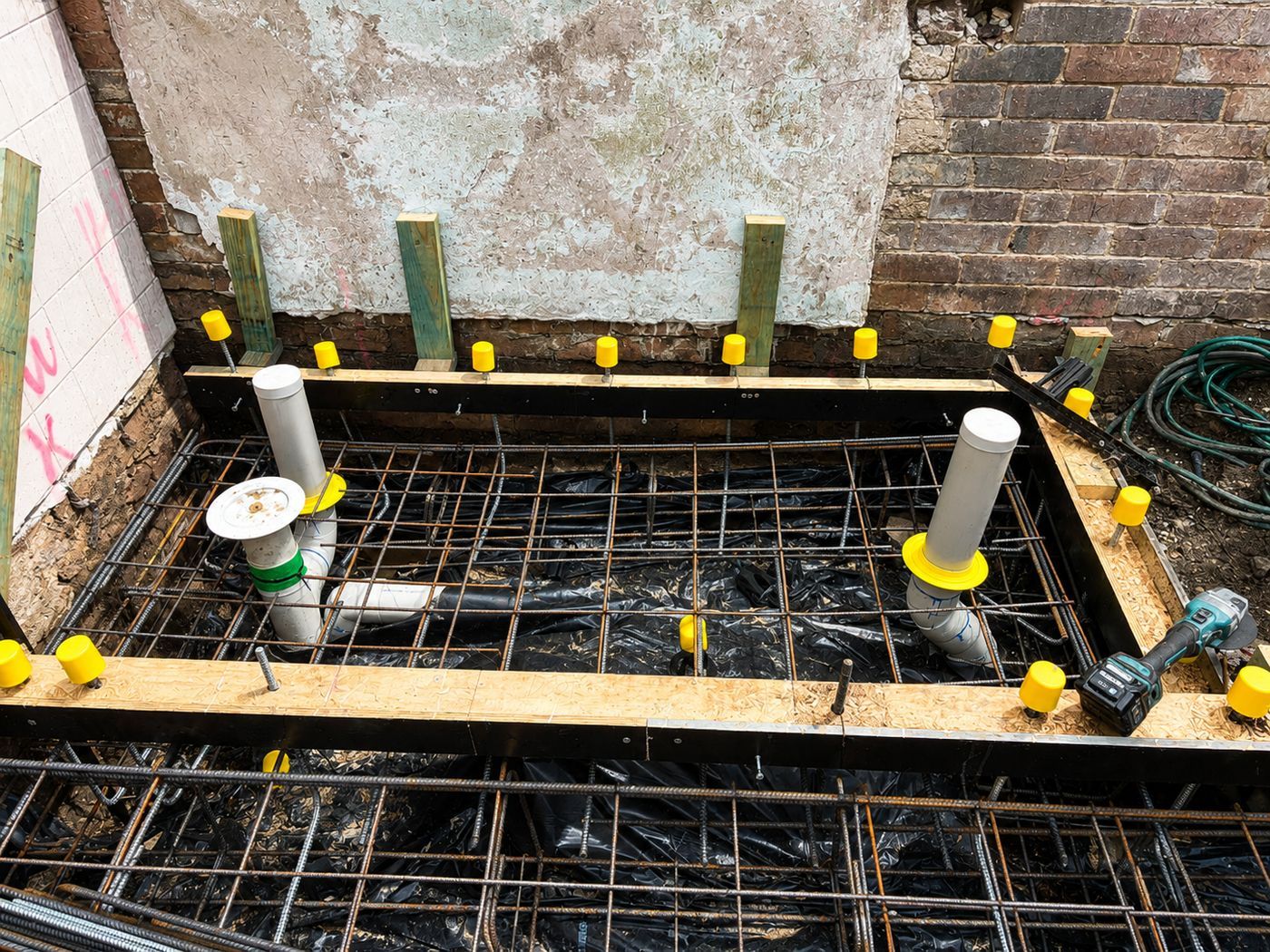
Under-slab membraneA termite-resistant sheet laid across the prepared ground before the pour.
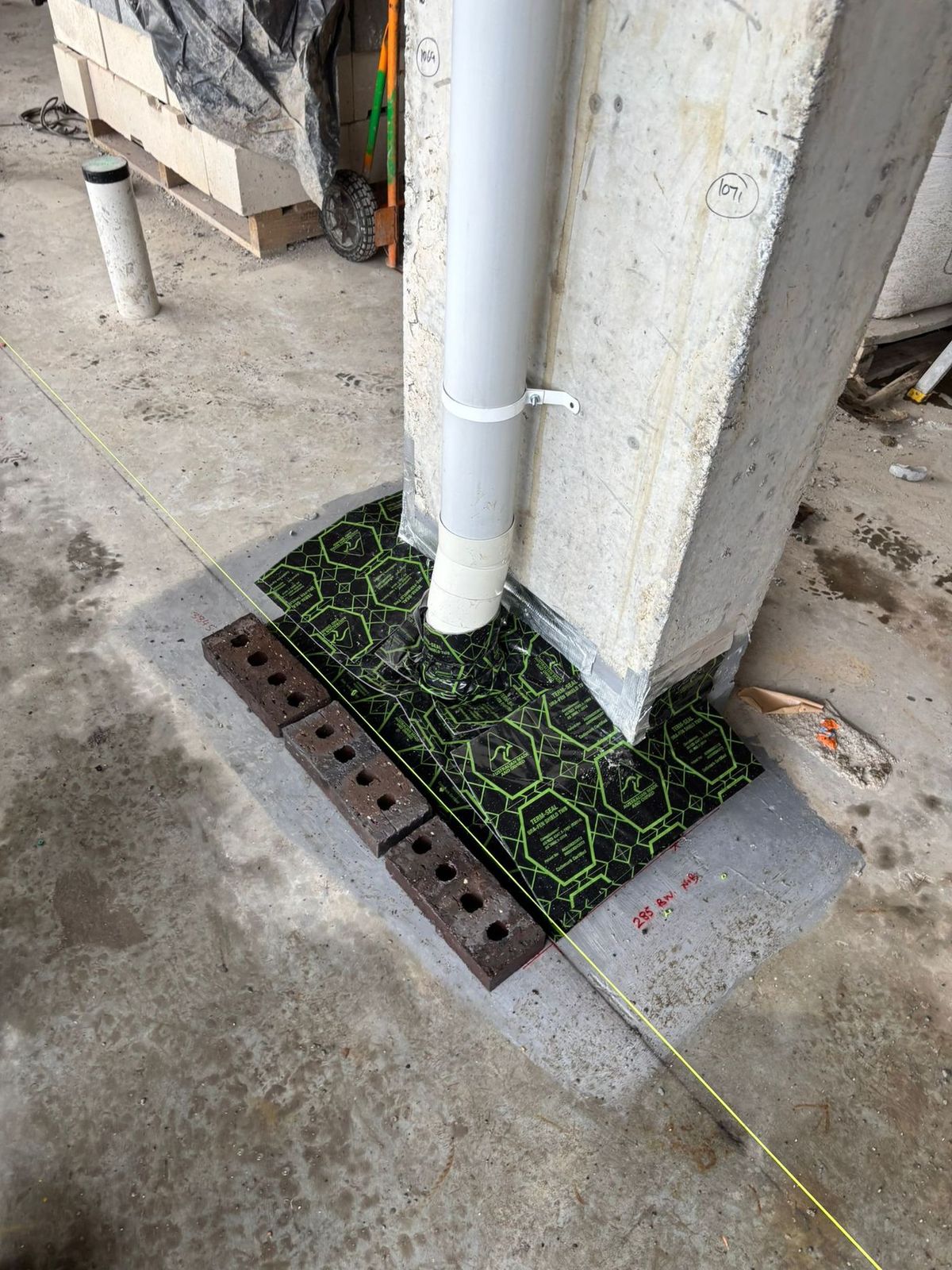
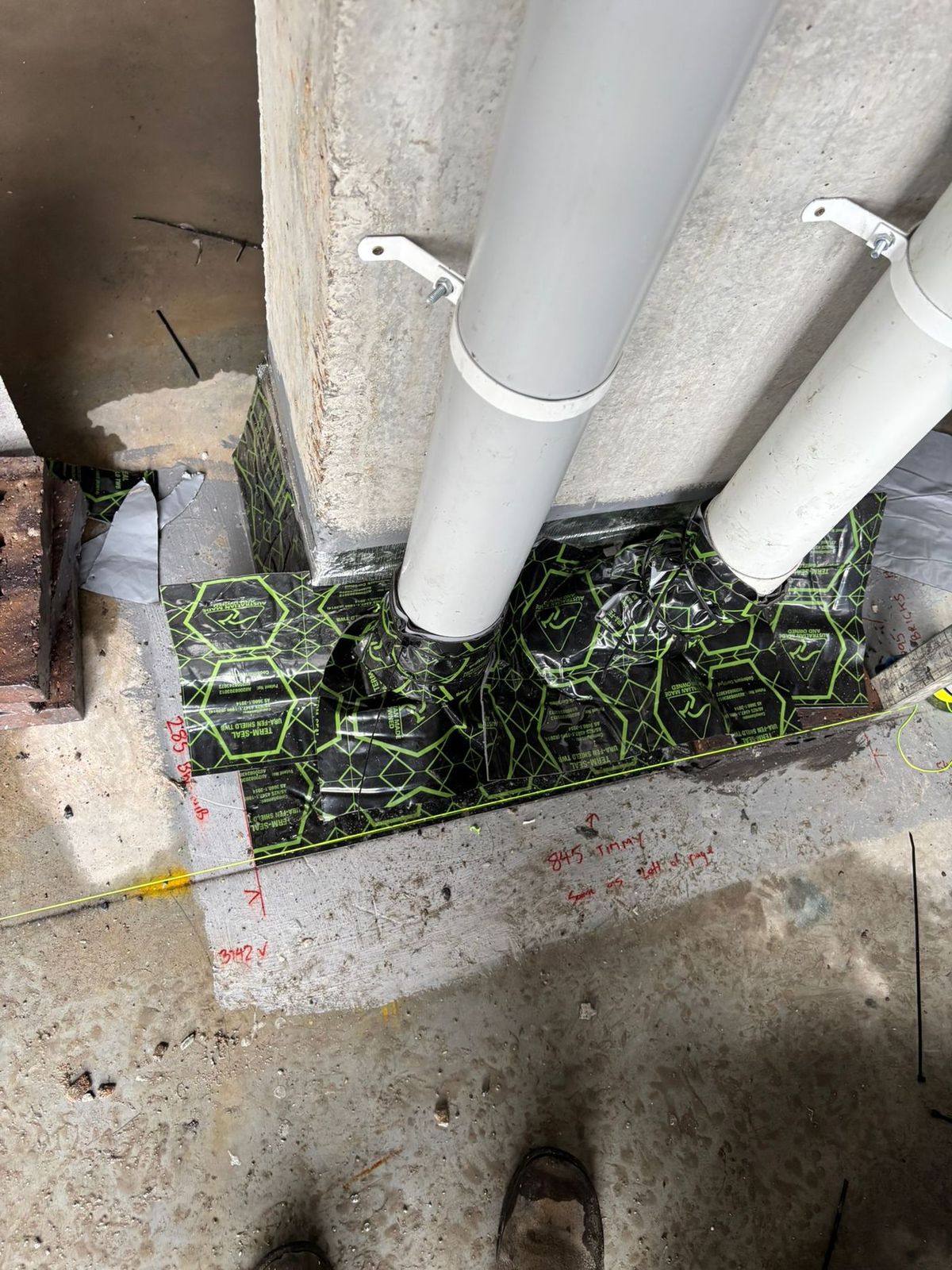
Penetration collarsCollars sealed to every pipe and conduit that comes up through the slab.
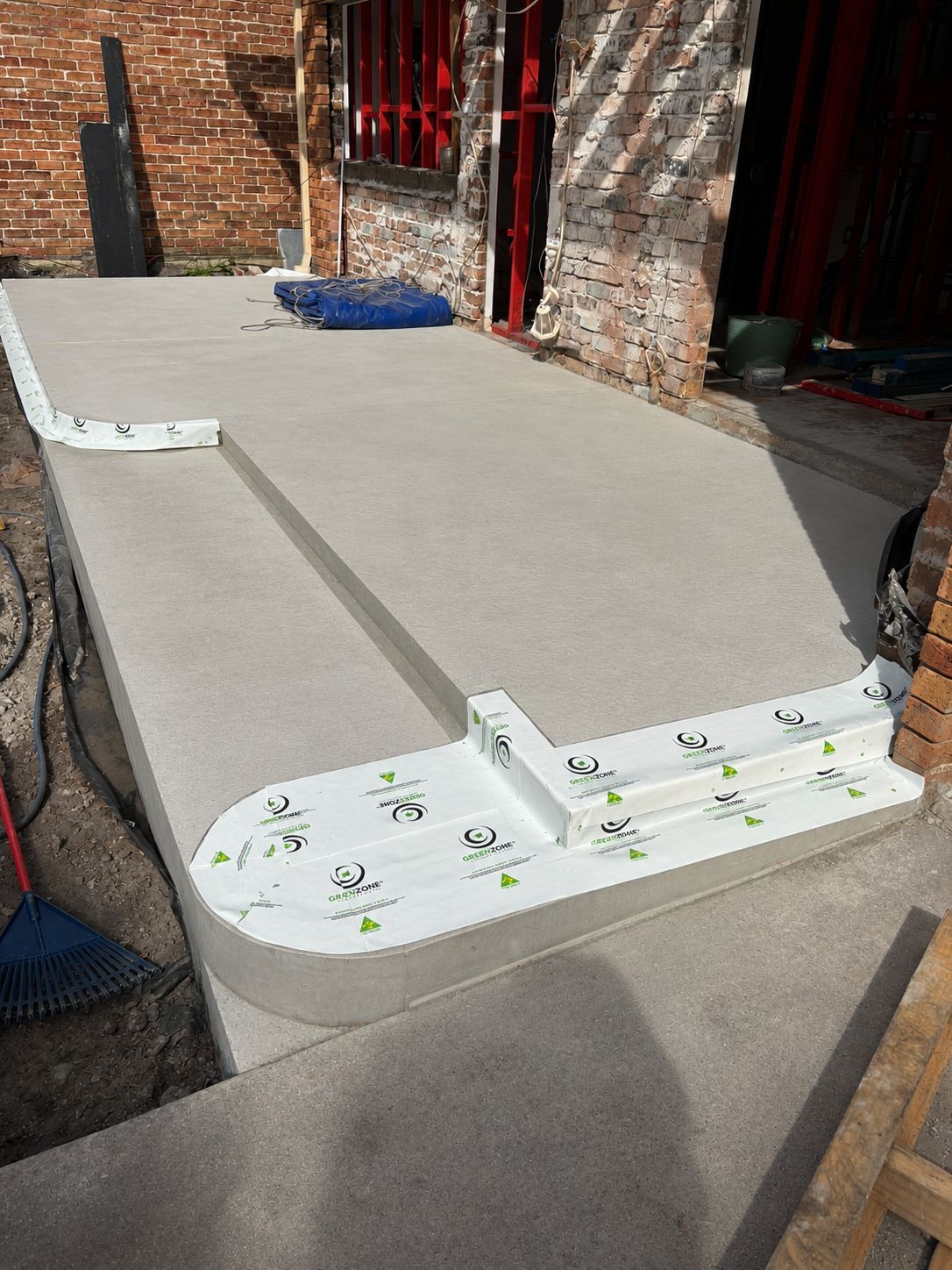
Perimeter & slab edgeA barrier at the slab edge and into the cavity, so nothing can track up hidden.
Chemical soil barrierAn APVMA-registered treated zone in the soil under and around the building.
ReticulationA pipe network laid before paving so the treated zone can be topped up later.
Piers & suspended floorsProtection for bearers, piers and suspended timber floors on sloping blocks.
Local knowledge
Around Londonderry
Our Londonderry work is spread across rural properties near Agnes Banks Nature Reserve and the crown land along The Driftway, where bushland and river flats both bring moisture and termite pressure toward new construction. Around the small village centre and Londonderry Park, blocks sit a little further from the bush but still carry the sheds, stables and stored timber typical of the suburb, so we inspect every outbuilding as part of the visit.
Londonderry is certified through the City of Penrith, which requires the same termite documentation for a new home or outbuilding on a rural property as anywhere else: a durable notice fixed in the meter box, and an installation certificate naming the products used, the areas protected and the installer's licence, both needed before the Occupation Certificate is issued. We supply both, with maintenance advice suited to a rural-residential block.
4 neighbouring suburbs covered by the same crew
Slab date locked in?Tell us the pour date and we will book the stages around your builder.
Most of the Sydney builds we work on use a combination: physical collars on every penetration plus a physical or chemical perimeter.
Our technician installing a perimeter barrier on a live Sydney site.
For builders & developers
Built around your program, not ours
Builders, developers and owner-builders get a fixed quote from plans, a technician who turns up when the site is ready, and paperwork that never holds up sign-off.
What we need to quote
Architectural or slab planSlab type: raft, waffle pod or suspendedSite addressRough pour dateRetaining wall & step-down details
Fitting in with your trades
Collars in before the pour inspection
Slab edge & cavity as walls go up
Perimeter done before paving
Multi-unit & repeat work
Consistent pricing across lots, one point of contact and a full document set for every dwelling.
No certification delays
Missing durable notices and unclear install records are a common reason Occupation Certificates get held up. We hand everything over together so your certifier has it all in one go.
Paperwork
Everything you get at handover
A complete document set for the builder, the certifier and every future owner of the property.
Durable notice
A permanent notice in the meter box showing the system, install date, installer, any chemical's life expectancy and inspection advice.
For: certifier, owner, future owners
Installation certificate
Written confirmation of the system and products used, the areas protected and our licence details.
For: builder, certifier, owner
Product information
Details of the physical system or termiticide installed, including safety data sheets for any chemicals.
For: builder, owner
Care & inspection advice
How to keep the system working, plus the recommended inspection frequency under AS 3660.2.
For: homeowner
From real jobs
Recent termite barrier installations
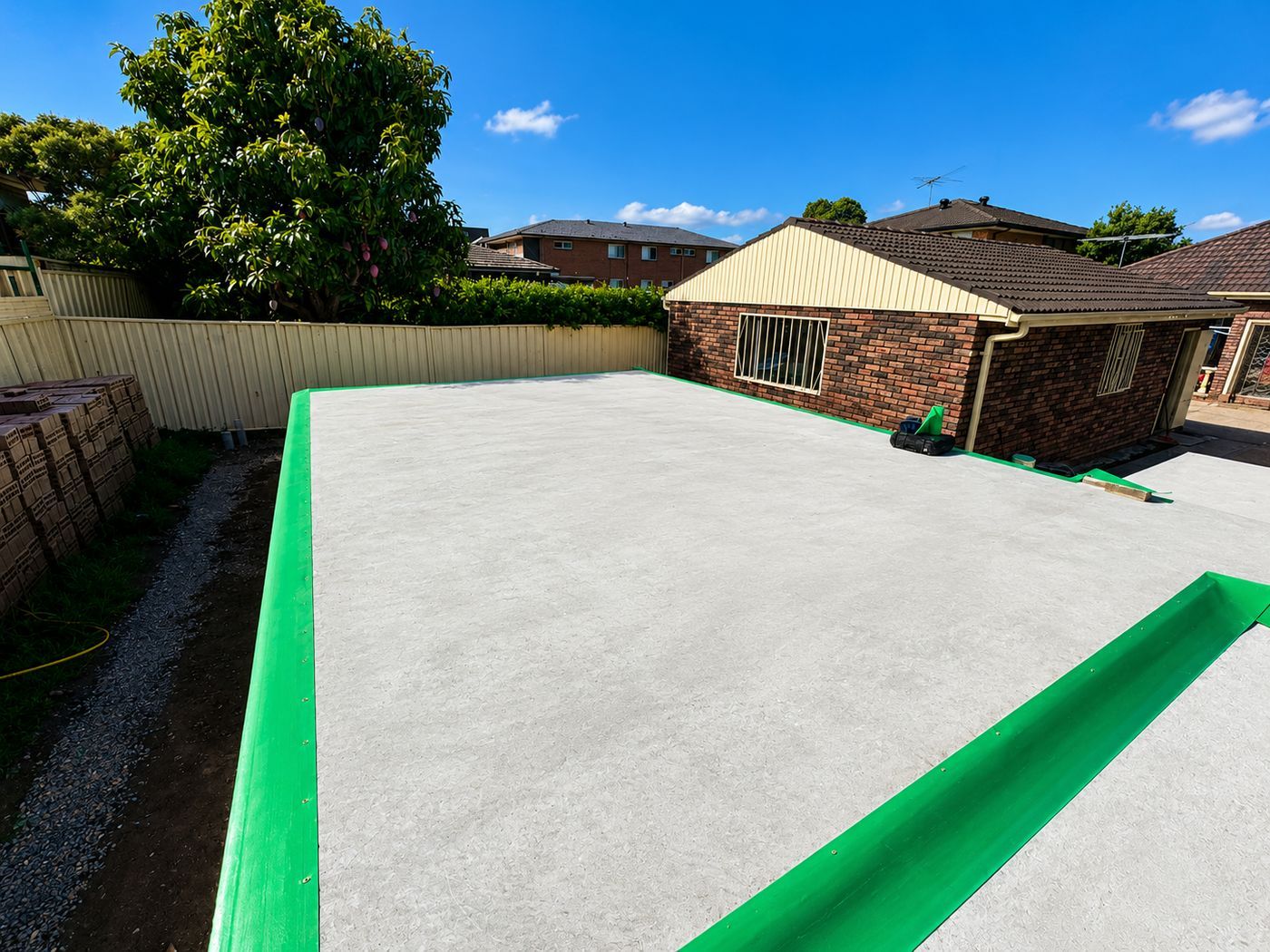
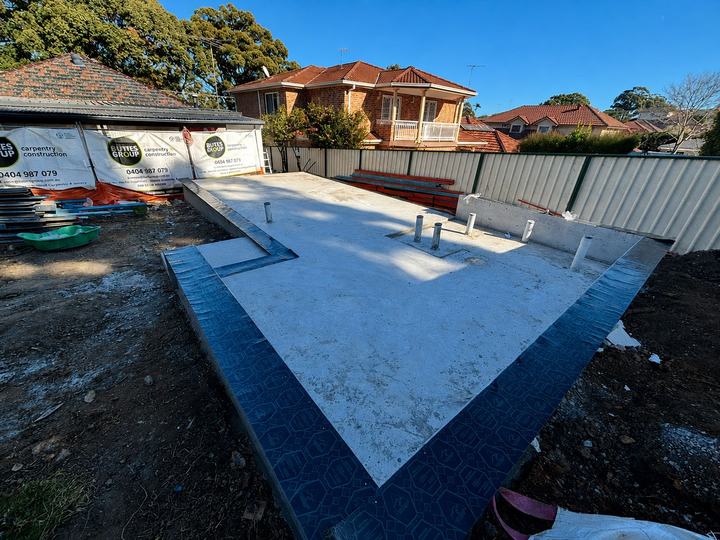
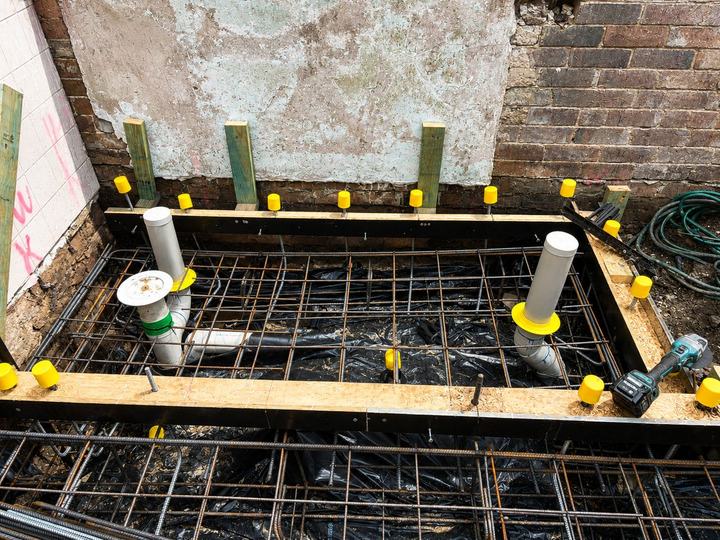
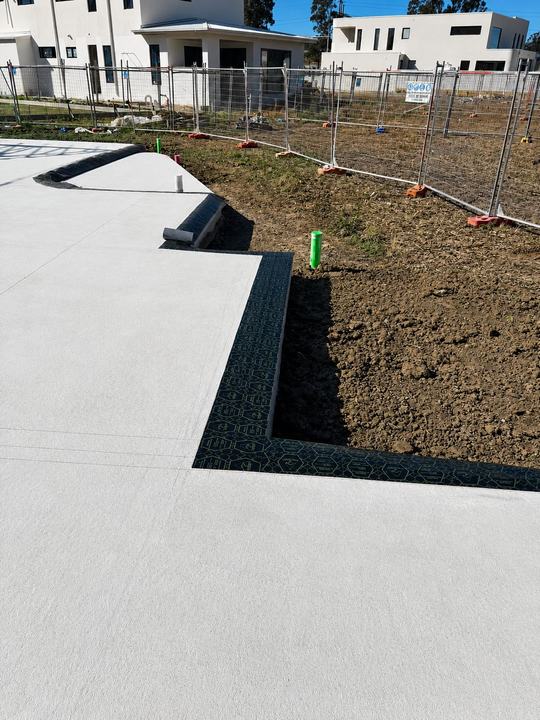
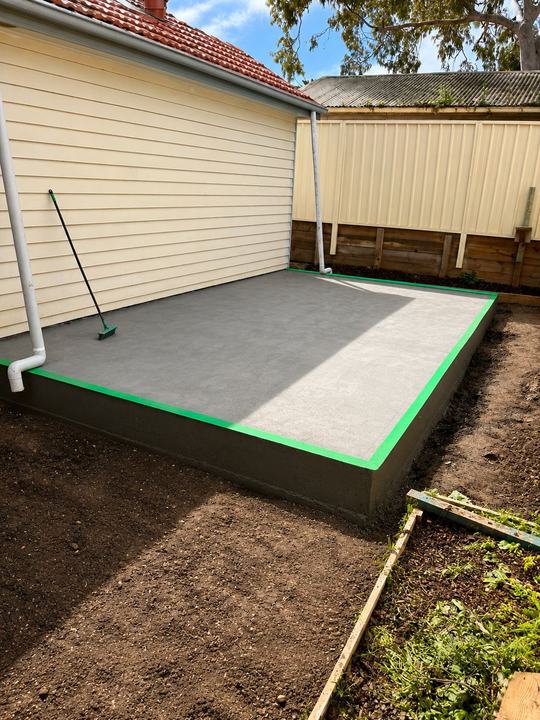
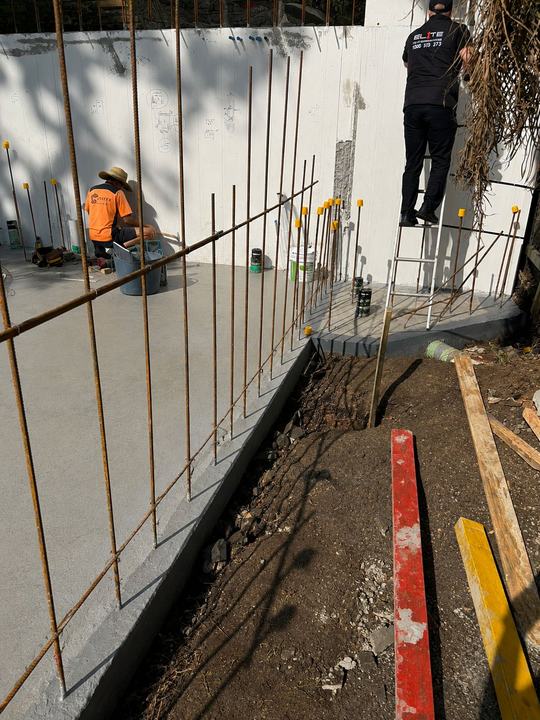
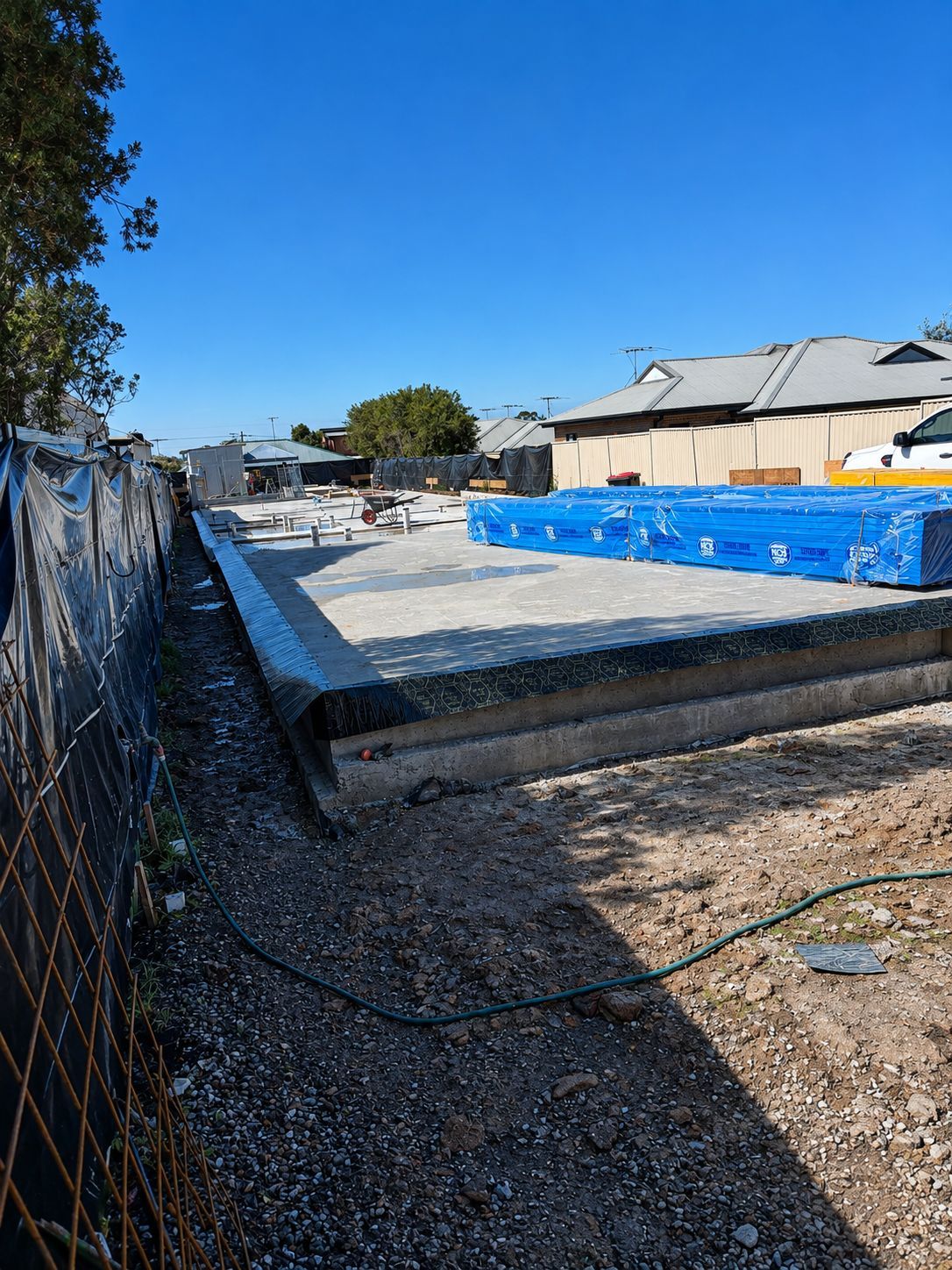
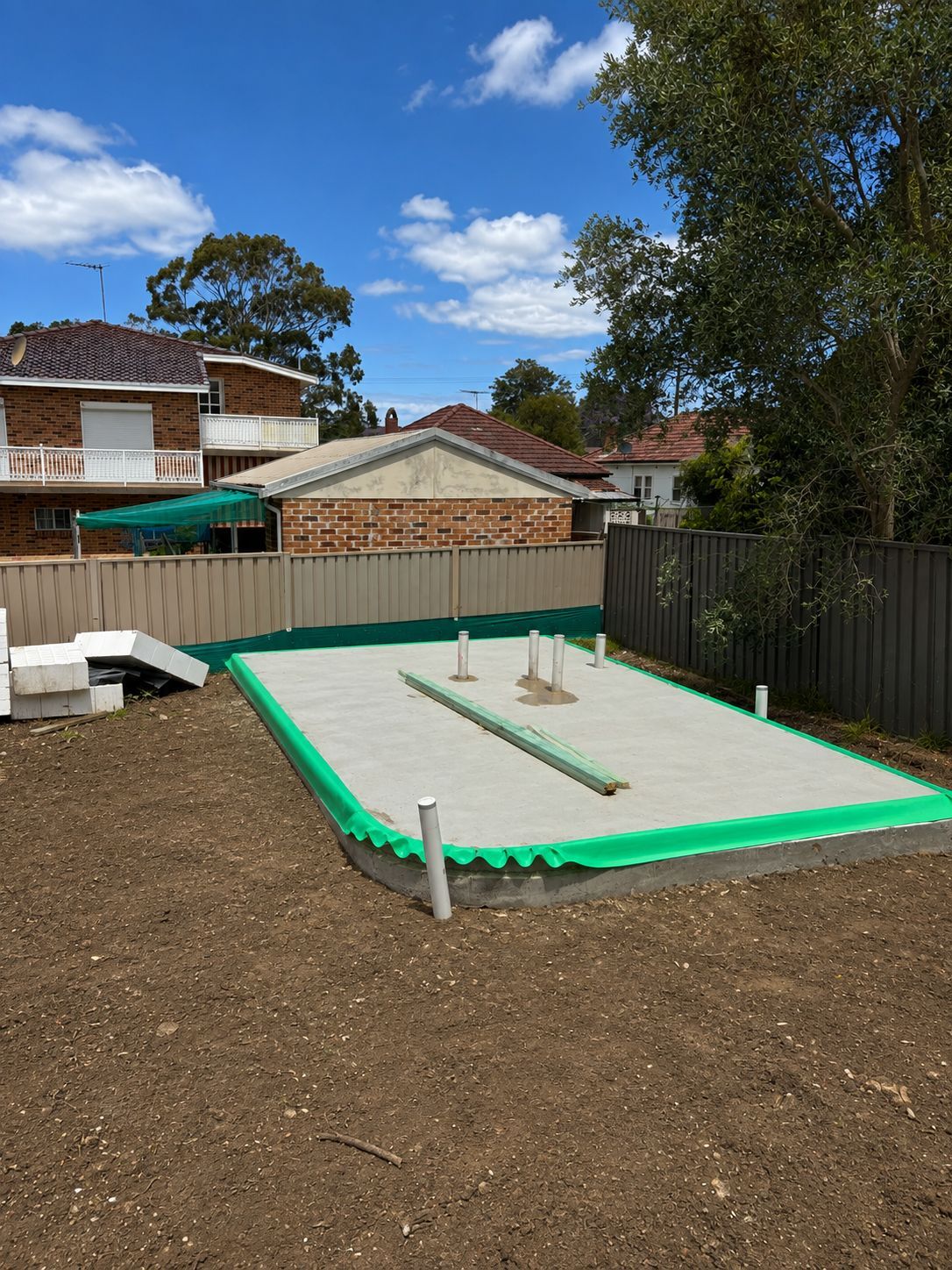
Photos from our own Sydney sites, not stock images. Tap any photo to see it larger.
A barrier only works while it stays intact and visible. Pass these on to the owner.
Keep at least 75 mm of the slab edge exposed. Don't cover it with soil, mulch or paving.
No garden beds or stacked timber against the house
Keep weep holes clear of render and debris
Fix leaking taps, downpipes and hot water units near the walls
Ask the installer before drilling through the slab or adding pipes
Book a timber pest inspection at least every 12 months
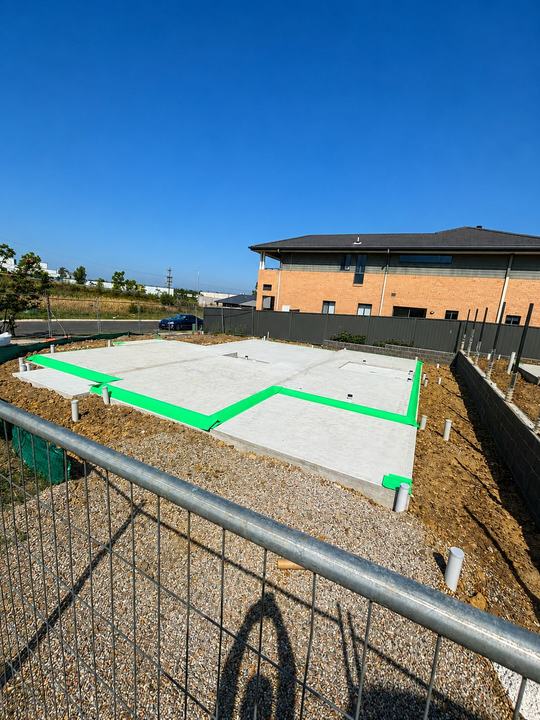
The inspection zone. An exposed strip of slab edge lets anyone spot termite mud tubes before they reach the frame, which is why paving, soil and mulch must stay below it.
Annual timber pest inspectionHanded over recently? We inspect the barrier and the building every 12 months.
Do stables and floats on our Londonderry property need termite protection?
Any new outbuilding covered by the NCC on termite-prone land needs its own compliant system, and stables close to the house are often where termites reach first because of the stored hay, feed and timber. We size collars and perimeter work to cover the outbuildings as well as the house.
We're near The Driftway and the Hawkesbury, does that change our barrier?
Yes. Low-lying river flats hold moisture longer than higher ground, which favours subterranean termites, so properties near The Driftway usually get a full physical perimeter rather than a minimal strip, with attention to any damp corner of the site. This keeps everything properly documented for future reference too. Just get in touch and we will talk through the details.
How do you handle access on a large rural Londonderry block?
We discuss driveway length, gates, livestock and any restricted areas when we quote, since rural properties often need more planning than a standard suburban lot. Collars and under-slab work still go in after the plumber's rough-in and before the pour, timed to your builder's program. We treat every quote as specific to your actual block.
Does a new home need a termite barrier in NSW?
In most cases, yes. The National Construction Code requires a termite management system for new houses and outbuildings in termite-prone areas where the primary building elements can be damaged by termites. Sydney is termite-prone, so the system is installed to AS 3660.1 and your certifier asks for the installation certificate and durable notice before the Occupation Certificate is issued.
What does a pre-construction barrier cost?
It depends on slab area, perimeter length, the number of pipe penetrations, the system chosen, site complexity and how many visits the build needs. Send us the plans and we return one fixed written quote covering every stage. Quoting is free.
Nearby
We also install barriers around Londonderry
Same crew, same staging and the same certifier-ready paperwork, right across the Penrith & the Outer West.
From the Eastern Suburbs and Inner West to the Hills, the Shire and the western growth corridors. Every suburb has its own page with the local ground conditions, the council that certifies the work and the questions builders there ask us.